Thanks for supporting independent publishers ☺︎
-
• Carried by a courier. Usually, DHL
• Shipped 3 times a week
• Door-to-door tracking number
• Faster and more reliable
-
• Done by normal post
• Shipped once a week
• Tracking only within Greece
• Economical and a bit slower
With this shipping option, the process within the post for non-received parcels is very slow and might not result in reimbursement (depending on the Greek Post evaluation).
Patience is demanded.
-
• Done by normal post
• Shipped once a week
• No Tracking
• No refund option• The most economical, and relatively slower
With this shipping option, we can't pursue any process through the post for non-received parcels.
Patience and trust in the big scheme of things are demanded. -
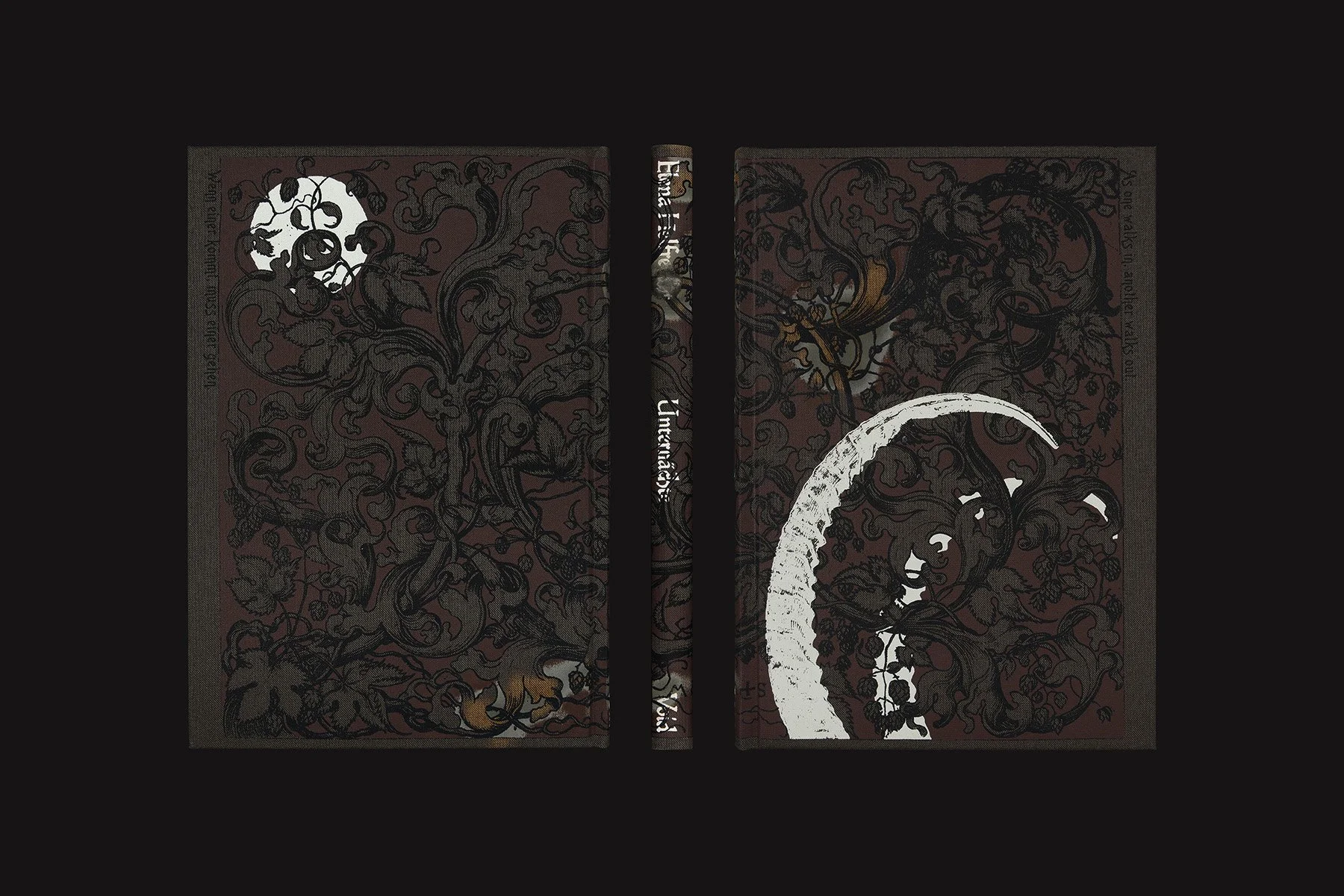
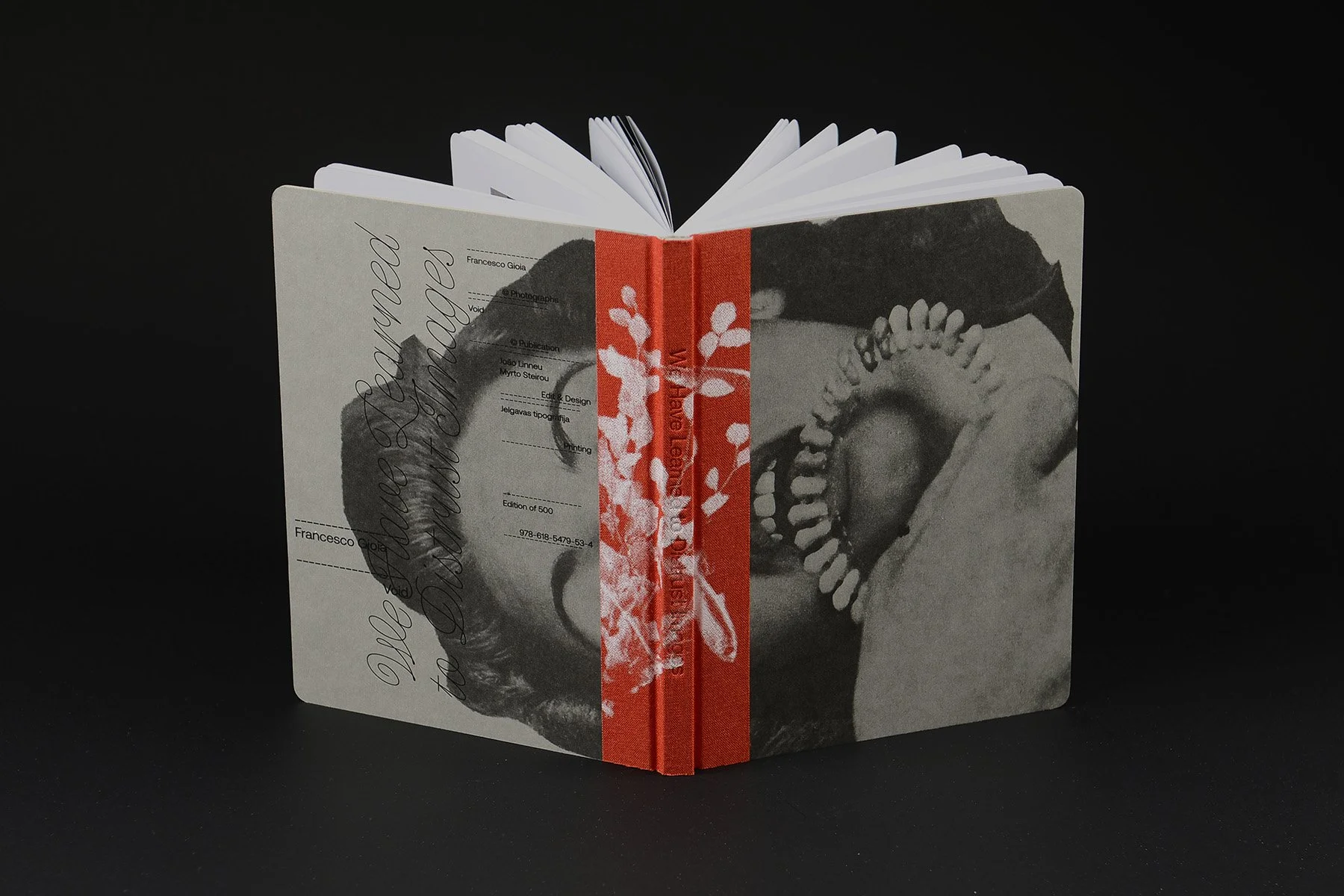
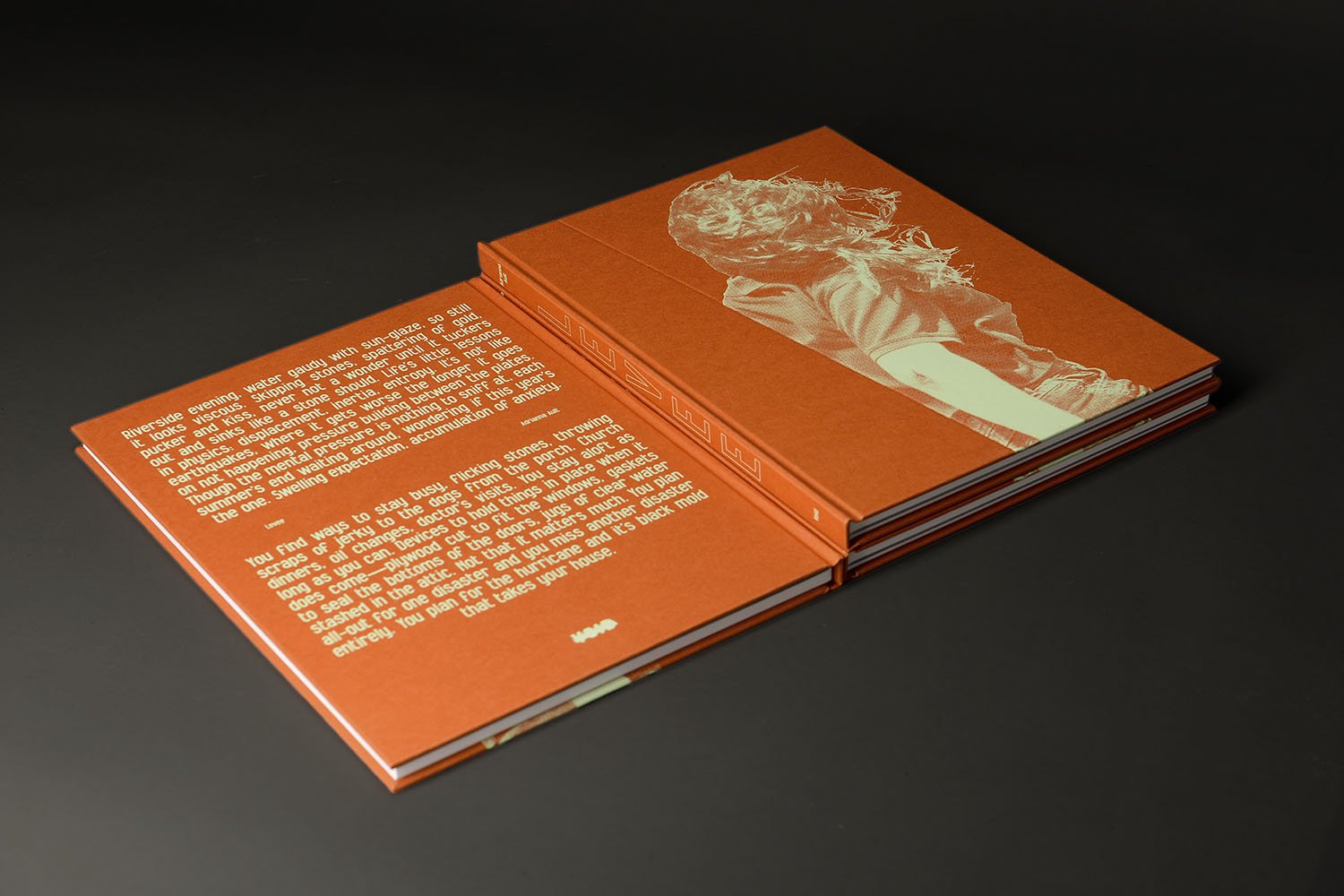
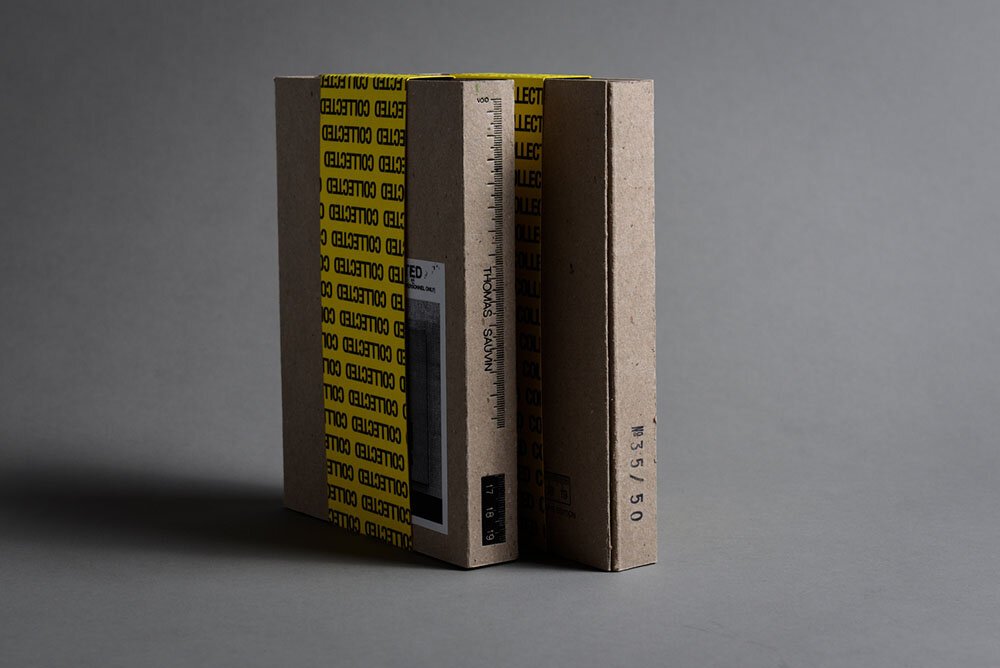
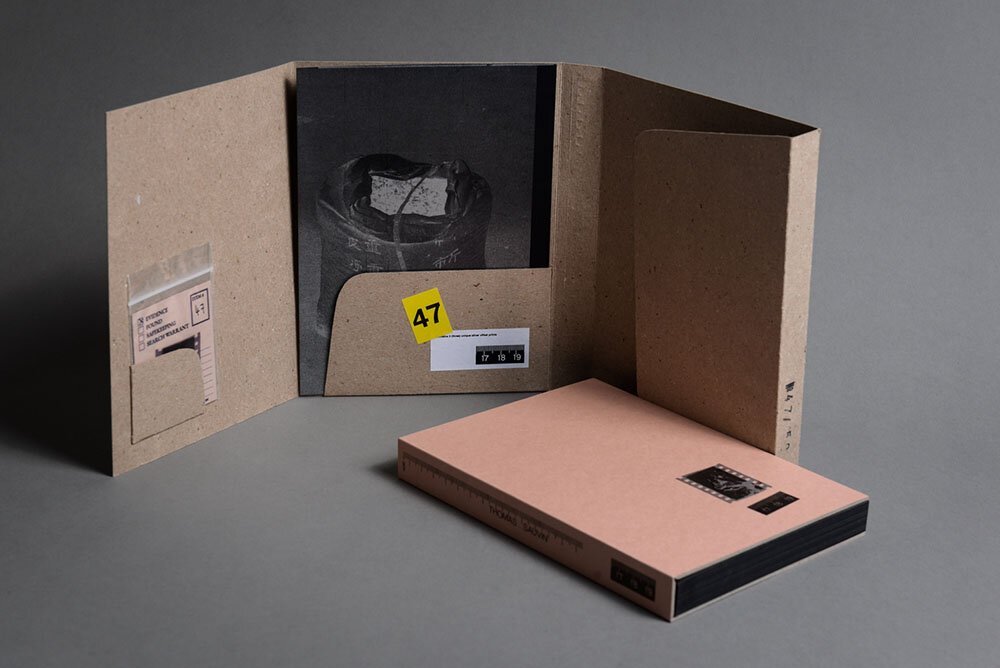
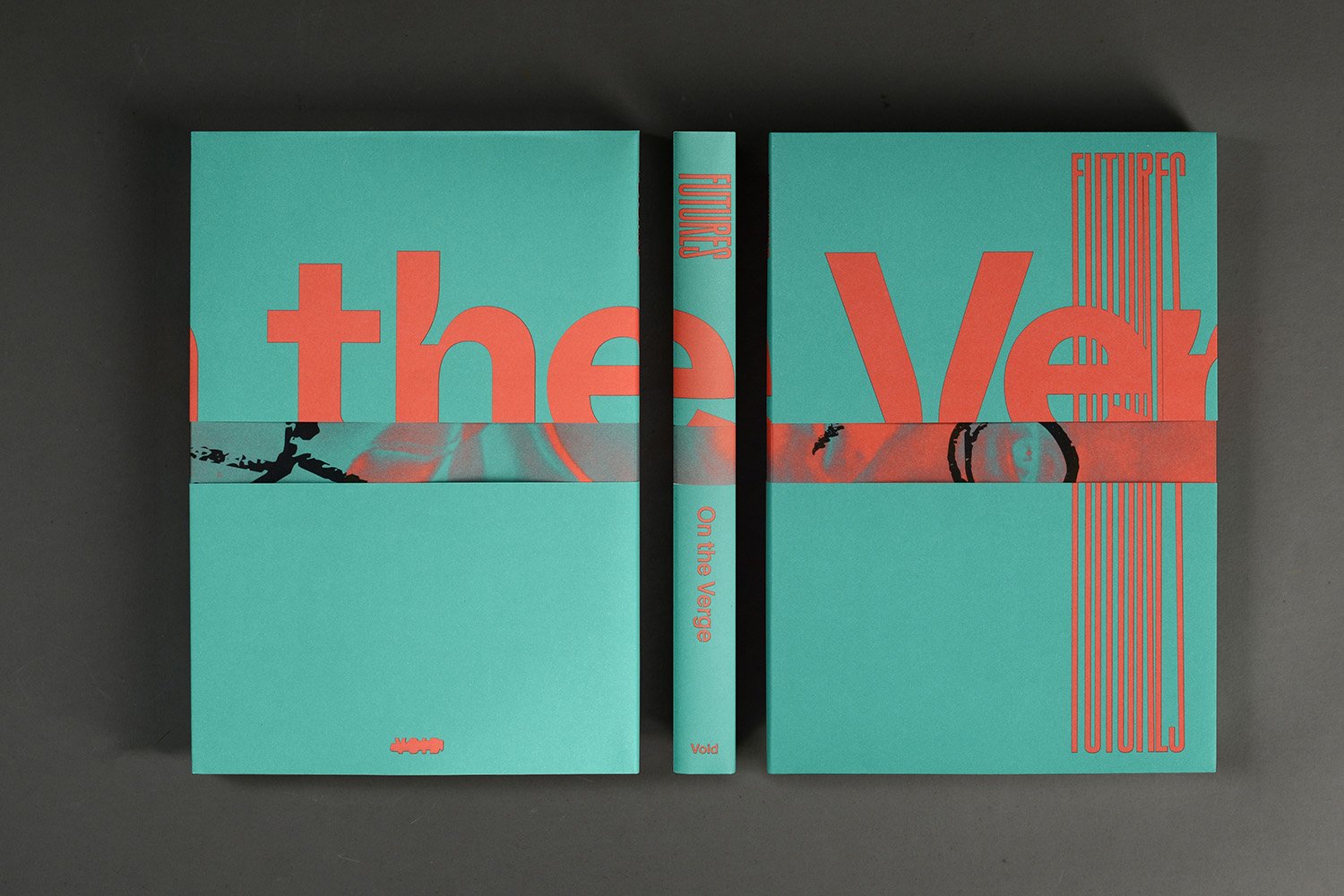
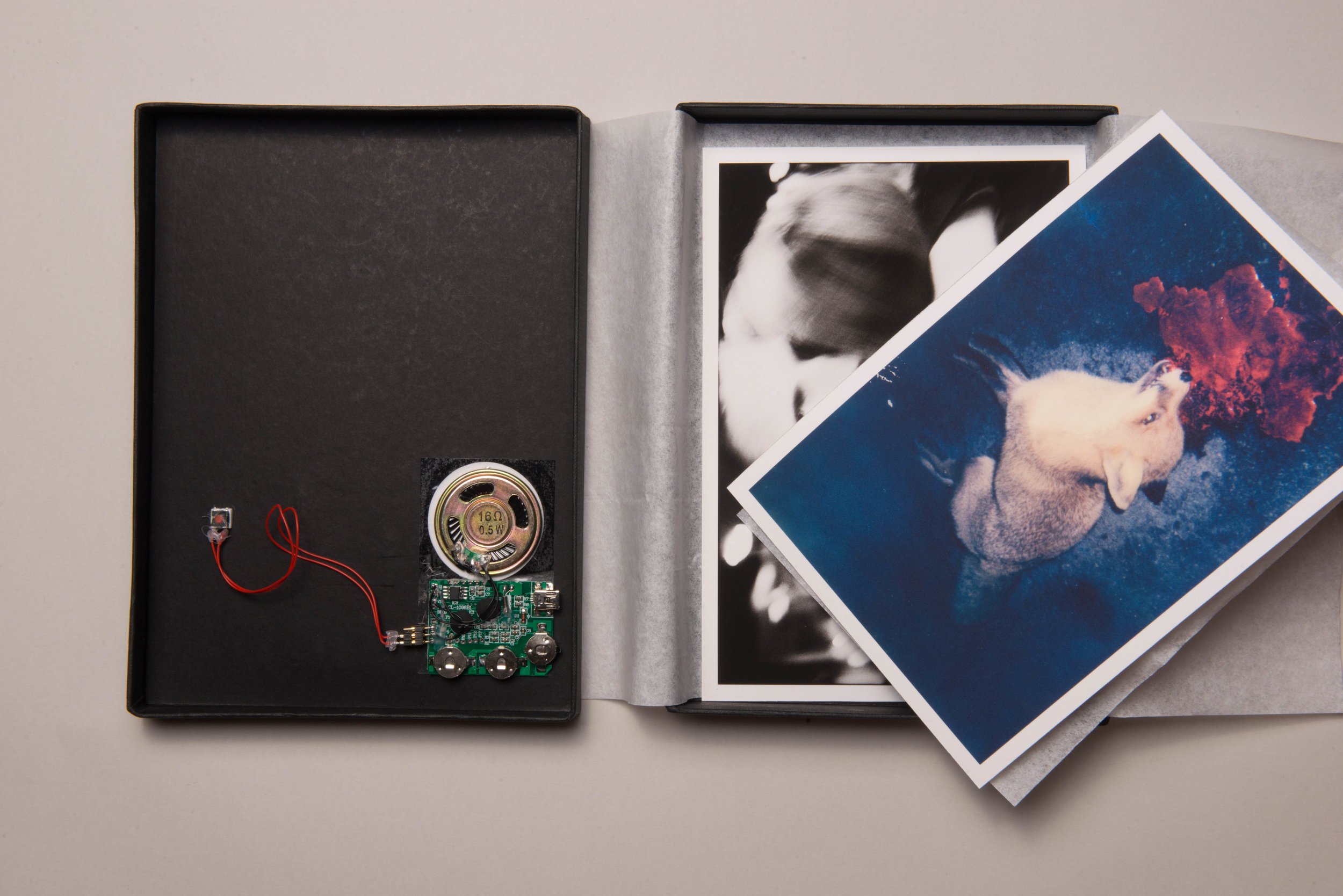
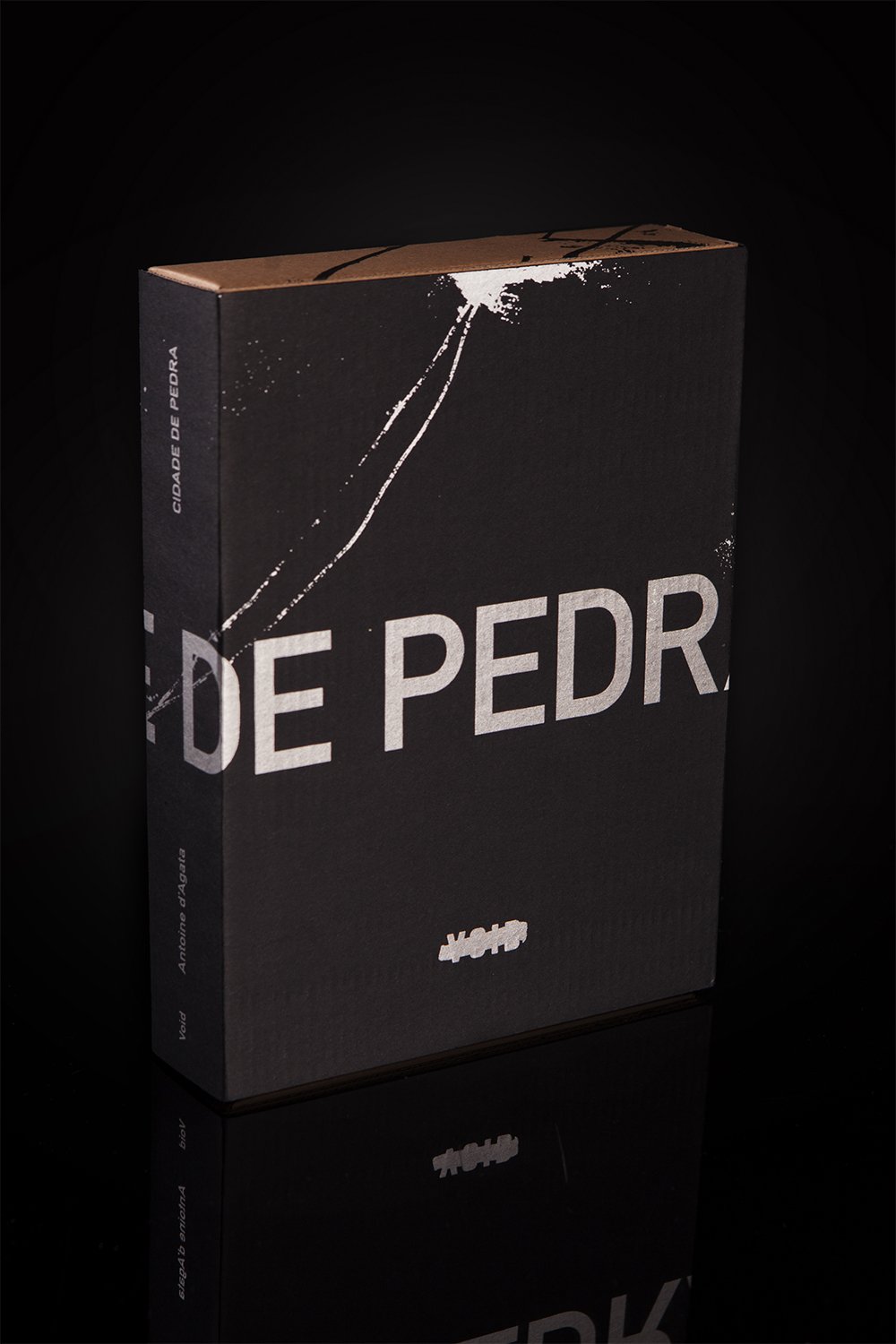
Every month, Void offers a box with one new release + two catalogue books.
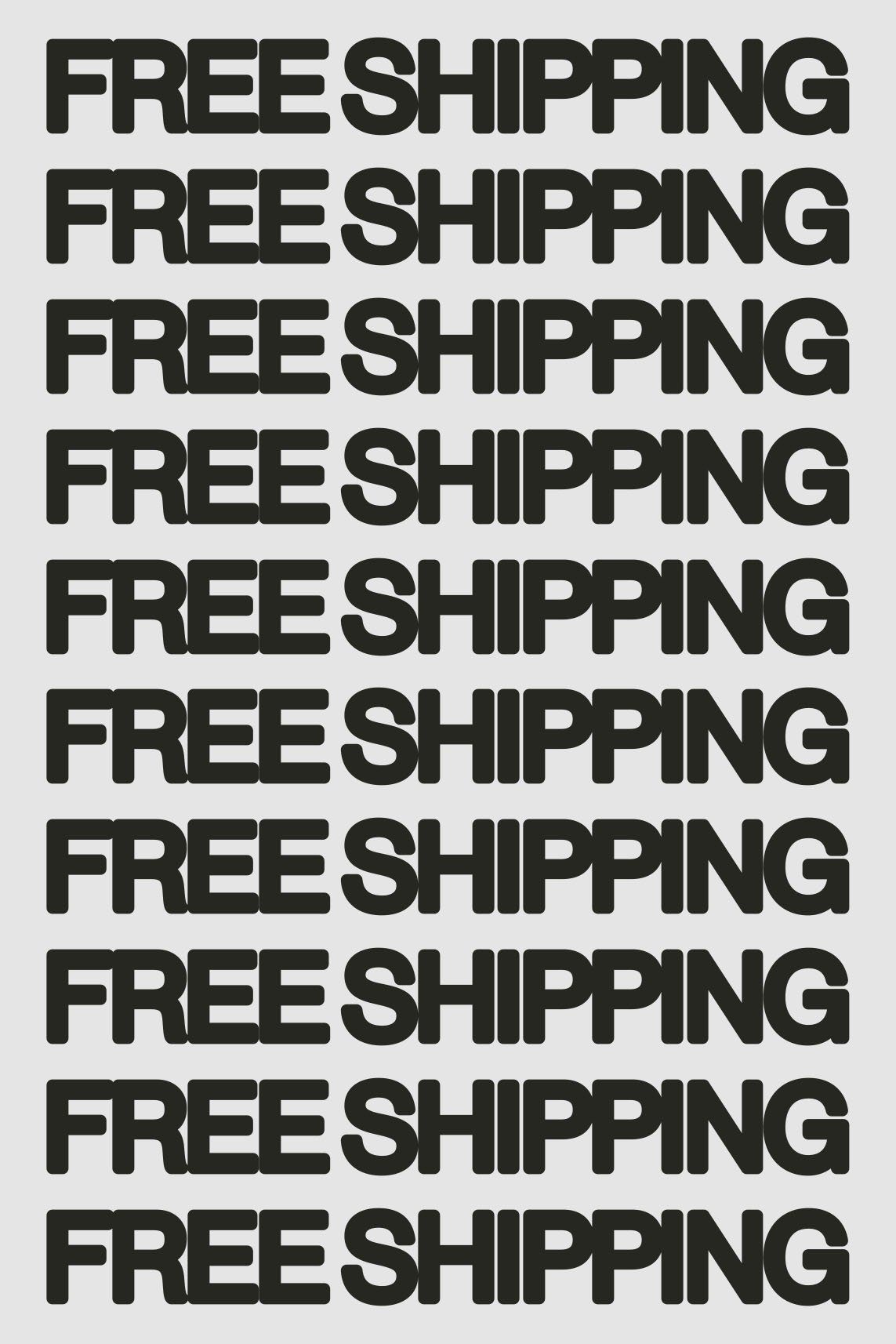
Free shipping anywhere in the world.
-
If you are in or passing by Athens, you can also choose to pick it up at our store.
Excellent chance to say "hi".
Our shipping options: